Bringing Distributed Teams Together: What Actually Helps
Remote teams do not need better tools, they need occasional physical proximity. How often, how long – and what carries them in between.
Distributed teams work. That is no longer in dispute. What they do not produce on their own is what an office generates as a by-product: trust, shared context and the sense that there is a person behind a Slack handle.
The discussion about this usually revolves around tools. From our experience with the distributed teams who come to us, that is the wrong lever.
The real problem is not communication
Distributed teams often communicate more than office teams – more messages, more calls, more documentation. What is missing is not volume but a particular kind of information:
- Context. Why was something decided that way? In an office you pick it up; remotely it is in no ticket.
- A read on people. How does that colleague mean this terse sentence? Anyone who has spent three days with them reads such messages differently.
- Belonging. The hardest one. It does not come from information, it comes from shared experience.
No tool solves points two and three. Physical proximity does – but it does not have to be permanent.
How often to meet?
You will find remarkably precise recommendations on this. There are no reliable numbers, and whoever quotes one has usually estimated it. What we actually observe among our groups:
- Twice a year is the rhythm where teams come back. The meeting feels like a continuation.
- Once a year works, but is often described as a restart – you begin with warming up every time.
- Quarterly is organisationally and financially too much for most teams, unless the group is small.
More important than the frequency is the regularity. A fixed date in the same month every year gets planned around. A meeting that must be justified anew each time eventually gets dropped.
How long?
Under three days the travel rarely pays off for a distributed team – when people come from four countries, one day of programme for two days of travel is a poor ratio. Three to four days is the usual range. For longer formats, look at the workation, which is designed for exactly this case.
What has to be different when a distributed team meets
Less programme, not more
The reflex is understandable: if you only meet once a year, the time should be used. That is precisely wrong. A distributed team does not need workshops, it needs shared time. Four hours of structured programme per day is plenty; the rest is the actual purpose of the trip.
Take time zones and travel seriously
Anyone arriving across six time zones is not able to work on day one. Plan the arrival day as arriving, not as half a working day. And set the start so nobody has to fly overnight.
Create rituals that continue virtually
This is where a meeting has an effect beyond the meeting. If something emerges that the team continues online afterwards – a weekly informal call, a shared format, an inside joke with a history – the effect lasts months. Without it, it fades in weeks.
Write it down
Distributed teams benefit particularly because they work in writing anyway. Whatever was decided belongs in a document within a week – otherwise it does not exist for the people who were in another time zone at the time.
The cost angle
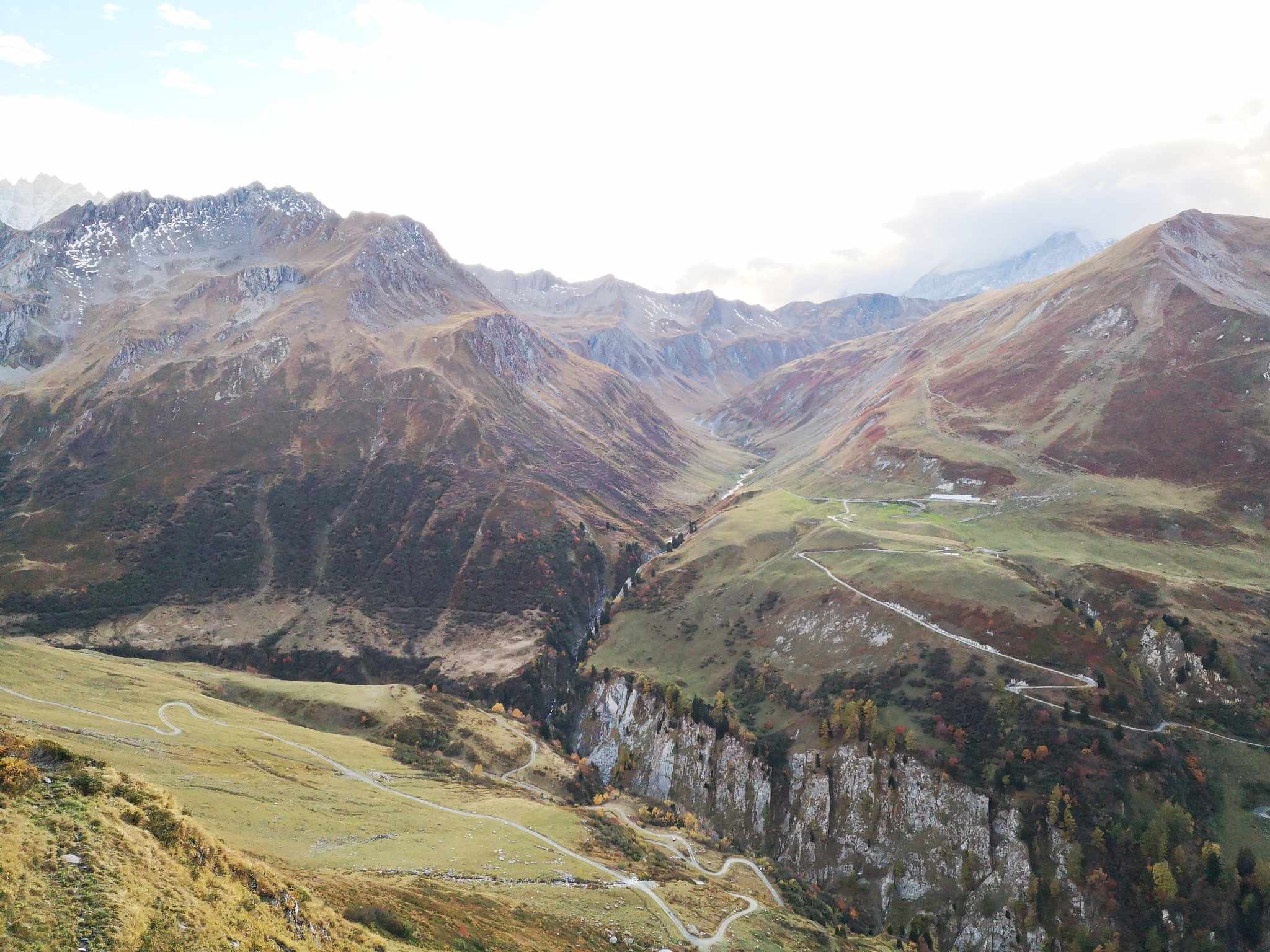
For a distributed team, travel is the largest variable item and often costs more than accommodation. That argues for meeting less often but for longer – and for a venue reachable by rail. Our houses are one to two hours from Zurich and Geneva, which for European teams usually gives the cheapest combination.
You can get a price for your group size from the calculator or from us directly – answer within 48 hours.